Contact Us
If you’ve decided it’s time to invest in a new heating system and you’re like most, you’ve done some research. You’re familiar with the standard efficiencies and maybe even the difference between a single stage furnace and two stage-modulating unit. If you’ve received any quotes, you may have also had an opportunity to explore some of the different brands. Even with all that, has a clear choice emerged for you? In this blog, we’re sharing with you, the top five questions you must ask the companies who have quoted for you, along with the answers that you should hear!
Who’s Quoted For You?
If you had some warning that your heating system failure was imminent, or maybe you’re taking advantage of some of the spectacular Fortis rebates and double rebates that must be installed by March 31, 2021.
Perhaps you’ve engaged and received two (or more) quotes from reputable heating companies. If it were happening me, I’d get one from the company that sent me a flyer in the mail – just because they were cheap and I’d always wonder if I didn’t. I’d absolutely get one from my favorite local plumbing company – especially one who was just voted North Shore’s favorite HVAC company (woot woot!) to support my home community, and I’d also ask a friend for a referral or failing that, perhaps phone a big-name company.
Now, you’re probably looking at these quotes and wondering why the prices are so different. What aren’t you seeing? What could you ask to find out? And that is what this blog will answer for you. What are the most defining questions you can ask, as well as the most common questions we get? As a bonus, I’m going to tell you the top 3 reasons our customers tell us they’ve chosen R&B. Spoiler alert, when they make their final decision, it’s never about the price!
1. Grants and Rebates
It seems that many prices come with the grant built into the pricing and some as advice that you’ll get additional money back at a later date. This can be the biggest difference in price. Make sure that when you’re comparing the prices, and you will, that you make that distinction.
But I promised it wasn’t about the price and it isn’t. Getting the grants, is the key. The potential to get the grant is something everyone can offer. What fewer do is give you the pre-filled applications, photos, and access to an email or other submission process that is easy to follow. Ask your favorite furnace company, who does the paperwork?
2. I’ve been quoted on two options… which what’s the right choice for my home?
This depends on many factors. The most expensive option for any home is only the right choice if you or your family will use all the features. If WIFI control is not important to you, then you may not need the high-end controller. If noise is a factor, you’ll want a super quiet unit. If high efficiency is your highest priority, does a smaller size of unit fit your needs?
If you’re planning a renovation, or a teardown, or a move, then you might not see the return on your investment either in terms of a sale price or having that unit adaptable to your future plans.
Often times, the best option isn’t the most expensive option, and it can be refreshing to hear that honestly. By really drilling down with our customer to identify which is the right choice for them is the relationship that we want to have. At R&B, we are accessible to have those conversations with you.
3. What is the warranty on the units and what is the warranty process like?
The warranty that you get with domestic heating appliances like furnaces and boilers is often standard throughout the industry. Many manufacturers will also have optional warranties that you can buy to extend the regular warranty. Here’s what you need to know. It’s not necessarily the length of the warranty but more; it’s what the warranty process is. Do you have to navigate these claims on your own, or does your service provider do it for you? Will the warranty process have a clear entitlement that you can get in writing? Does your warranty require that you keep all service records for every year?
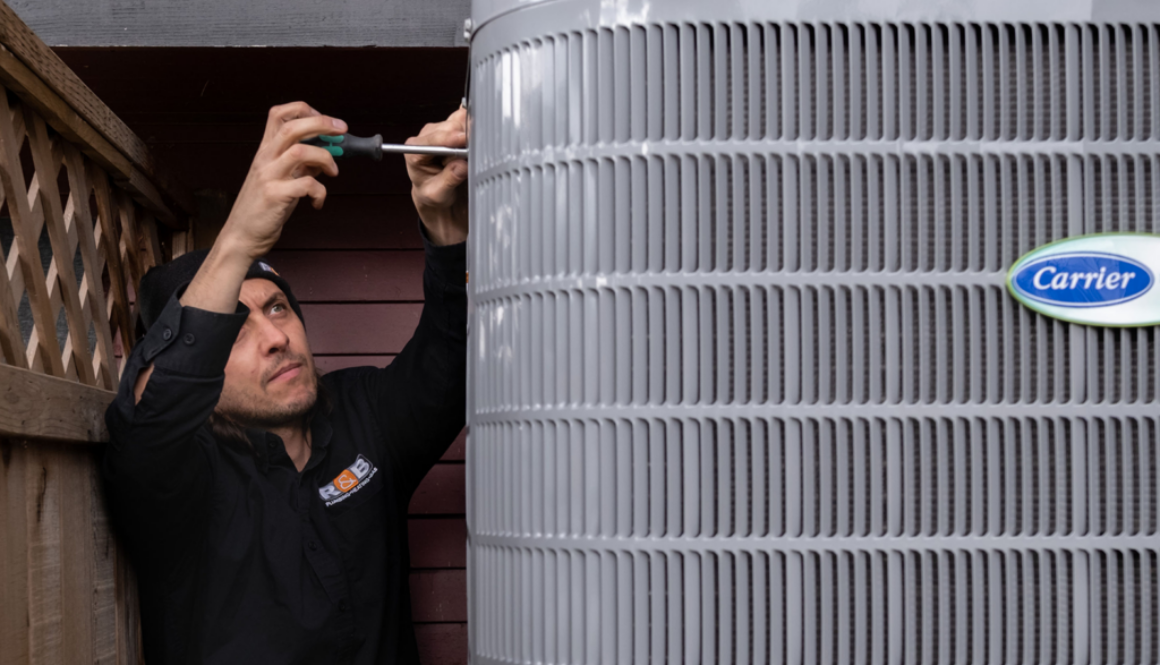
When you install a Carrier brand furnace with R&B, and there is a warranty issue, we take care of you from beginning to end. We will start the warranty process, order the parts, make the claims, follow up on the credits and ensure you’re receiving all the money back that you’re entitled to. As well, Carrier provides buy back and upgrade options for some furnaces that fail in that critical time between the end of the warranty and the end of the furnace life. This brings up the next question.
4. Does your company service the units that they install?
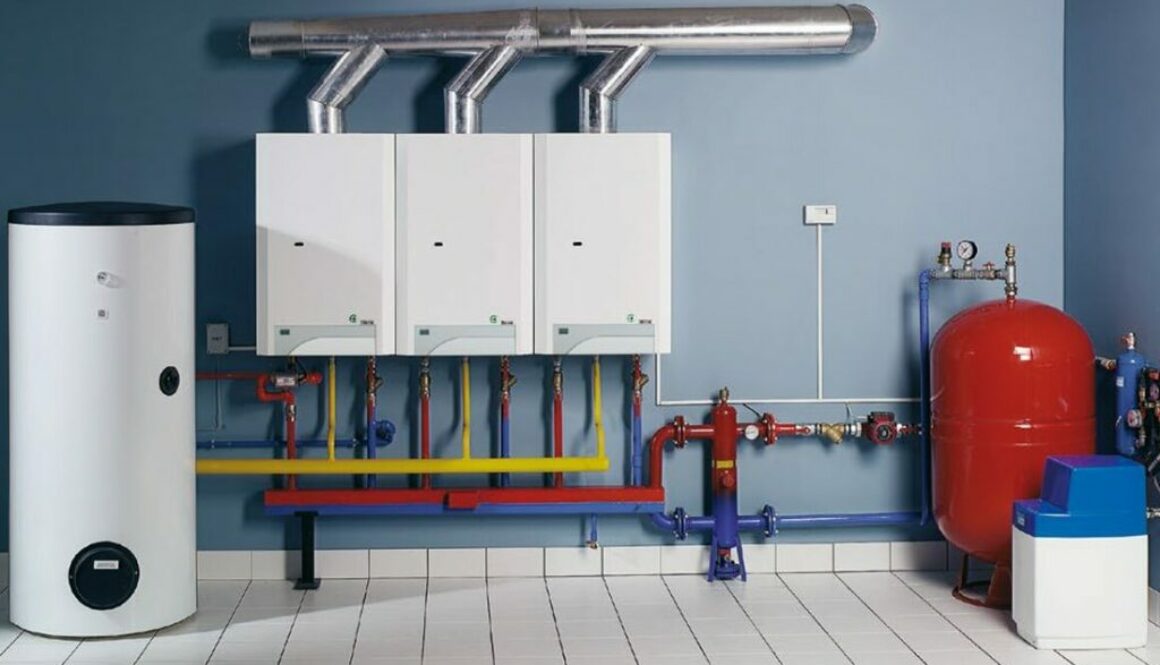
We do. It’s important for a few reasons. Companies, who service what they sell, actually know the equipment. Think of an engine in your car. The assembly line can bolt it in an engine to meet a standard, but it’s the mechanic who will ‘tune’ the engine to truly get the best performance out of it. For home heating, it’s the same – especially with boilers. Part of our installation process is completing a combustion analysis, and adjusting the gas pressure. Without doing that, it may be running in accordance with the manufacture’s acceptable ranges, but might not be achieving peak efficiency – which is what you paid for. Finally, and most importantly, your service technician installer will be able to resolve any faults. At R&B, all our installers are also the repair technicians.
The bonus of using a Company like R&B, that services what they sell is for the service records. From installation through each year of service, your maintenance and care will ensure that you’re getting warranty and longevity out of the equipment. Maintenance you’ll be able to prove with our computerized service records.
5. What is your after-sales customer care program?
There’s the “Taillight” after sales care, that ends when you can no longer see the taillights of the installers van, or the “Customer for Life” after sales care. Which would you prefer? Our after-sales care program;
- Ensures that all equipment is registered with the manufacturer
- Provides all documentation necessary to access grants and rebates
- Contacts you on the anniversary of your installation to provide for the booking of the maintenance.
- Records equipment model, serial numbers and date of installation to ensure that you can easily call us up to order filters or check warranties
- Follows the address, and the customer. We record equipment by address, but customers by name so we’ll always know who you are, and what our services history is with you. When you sell your home, the information can easily be provided to the new owner.
- IBC performance monitoring. If you’ve purchased a Canadian made IBC boiler, there’s an option to register for system monitoring. R&B can respond to faults and errors remotely and often before you’re even aware of a fault, or experience the lack of heat.
Plus bonus the question. It’s a bit technical, but stay with me because it’s an important one! Actual customer question:
Your Question: What do you know about the code for my city? Or in other words, Will I pass inspection?
Each municipality can have their own modifications to the general gas safety code. This means that some will allow you to vent though an exterior wall, but the City of North Vancouver will actually require it to go up through the roof. Knowing which process is allowed where will make the difference between passing and failing your installation inspection. And a company that ends up taking out a chimney to vent out the side when it must go through the roof, will actually cause customers to ” hit the roof”!
Make your best decision.
Armed with these questions, instead of peering at the equipment, and small print, and setting price aside for the moment. I hope these questions will help a clear choice to emerge.
Contact R&B Plumbing and Heating
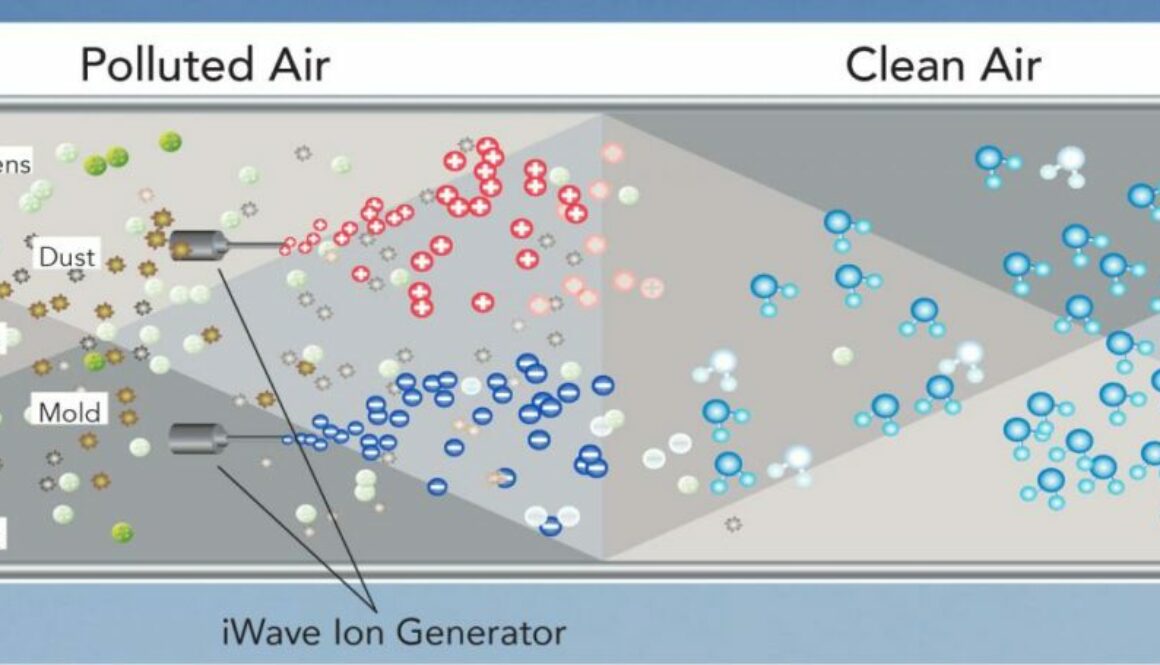
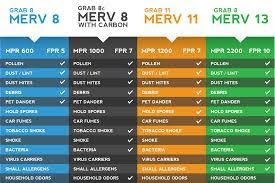
We offer a number of improvements that can increase the health of your air quality at any price point. From a simple furnace filter to an entire air filtration system, contact us today and let our experienced staff connect you with an air quality system that works best within your budget and with your home’s heating requirements.
Contact Us
Discover more articles by R&B Plumbing